
Mastering Internal Communications Strategy: A Comprehensive Guide for Organizations
SO
In today’s fast-paced business environment, effective internal communication is more crucial than ever. A well-crafted internal communications strategy can significantly enhance collaboration, boost employee morale, and drive organizational success. This guide will explore the essential components of mastering an internal communications strategy.
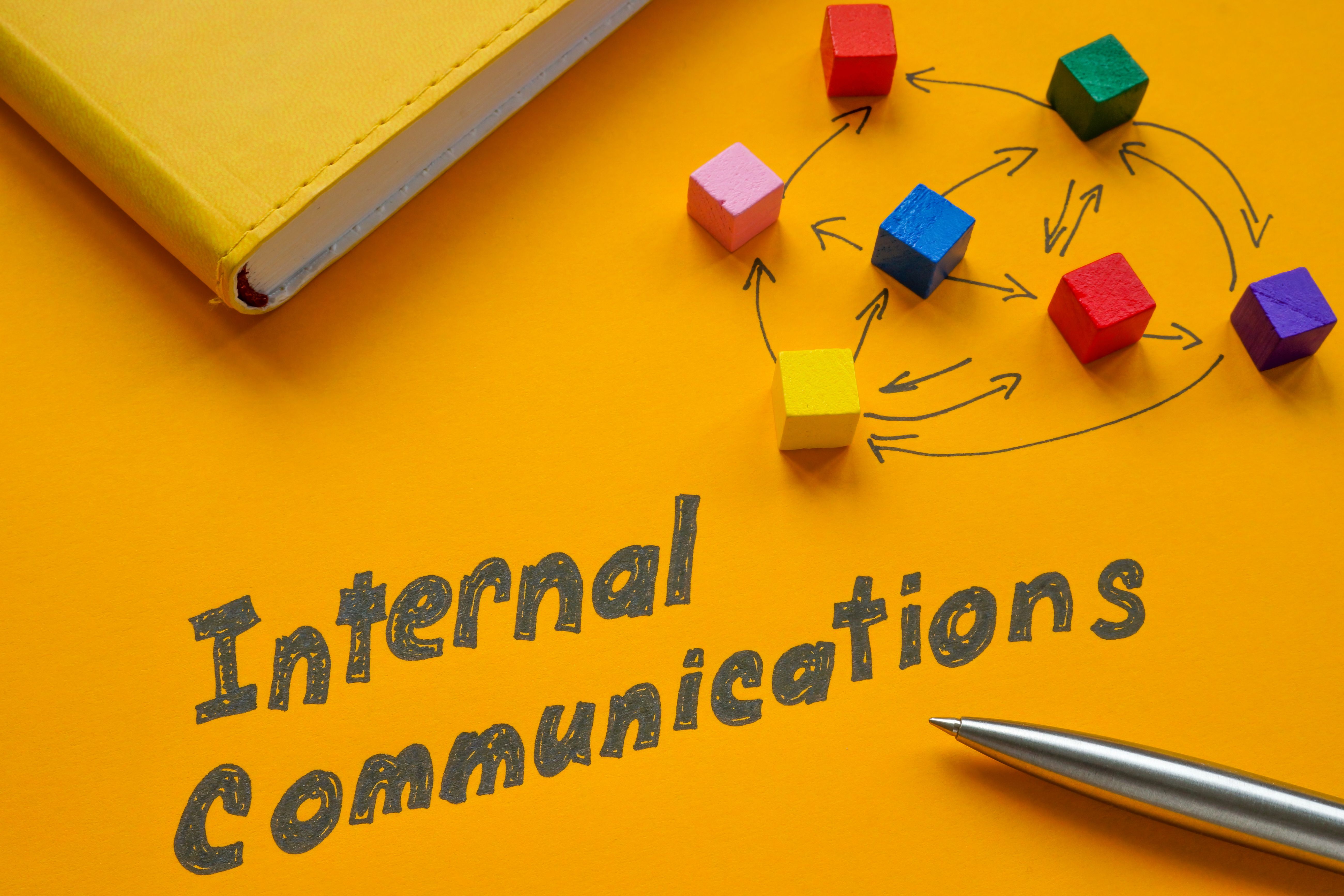
Understanding Internal Communications
Internal communications encompass all the ways an organization shares information within itself. It includes everything from emails and newsletters to meetings and digital platforms. The goal is to ensure that everyone in the organization is informed, engaged, and aligned with the company’s objectives.
The Importance of Internal Communications
Strong internal communications foster a positive work environment and promote transparency. When employees are well-informed, they feel valued and are more likely to contribute positively to the organization’s goals. Moreover, effective communication reduces misunderstandings and mitigates conflicts.

Key Components of an Internal Communications Strategy
Developing a robust internal communications strategy involves several key components. Organizations should start by defining their objectives. What are the goals of your communication strategy? This could range from improving employee engagement to streamlining information dissemination.
Choosing the Right Tools
Selecting the right tools is critical for effective communication. Consider using a mix of channels such as emails, intranets, and social media platforms. Each tool has its strengths, and the choice should align with the organization’s needs and culture.
- Email newsletters for regular updates
- Intranet for centralized information access
- Social media for interactive engagement

Strategies for Effective Communication
Once the tools are in place, implementing strategies that foster effective communication is vital. Encourage open dialogue and feedback mechanisms. Regularly solicit input from employees to understand their communication preferences and pain points.
Measuring Success
Measuring the effectiveness of your internal communications strategy is essential for continuous improvement. Metrics such as employee engagement scores, feedback surveys, and participation rates in communication initiatives provide valuable insights.
- Conduct regular surveys to gauge satisfaction
- Analyze participation rates in meetings and forums
- Track engagement levels on digital platforms
Conclusion
Mastering internal communications is a dynamic process that requires ongoing evaluation and adaptation. By understanding the importance of communication, choosing the right tools, and implementing effective strategies, organizations can create a thriving workplace culture. A strong internal communications strategy not only empowers employees but also propels the organization toward its goals.